Tizi honey

tizi-honey

From Rubble to Renewal: How Beekeeping is Rebuilding Lives in Ighil

In the aftermath of the devastating earthquake that struck the Al-Haouz region in 2023, many mountain communities like Ighil were left in a state of profound vulnerability. Houses were lost, livelihoods shattered, and local economies destabilized. In this context, AMAL Association launched a series of livelihood recovery projects aiming not only to offer emergency assistance, but to promote long-term resilience and dignity among affected families.

That idea became the Beekeeping Project: a livelihood recovery initiative designed to be sustainable, profitable, and rooted in the culture of the mountains where it operates. It’s being carried out in partnership with Action Medeor and RTL.

tizi-honey-ighil
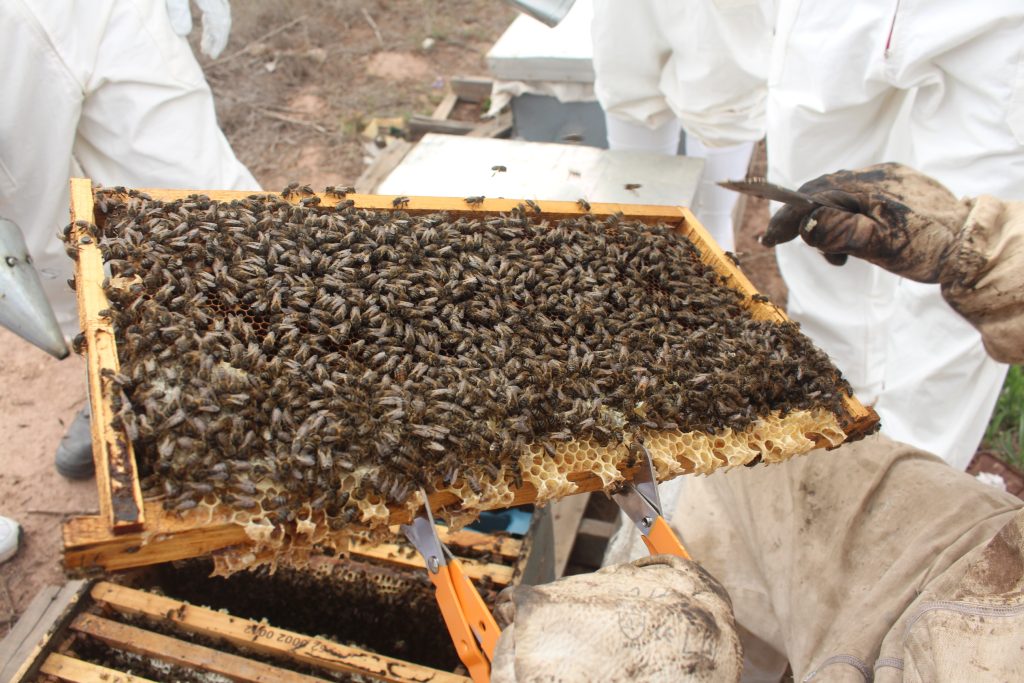
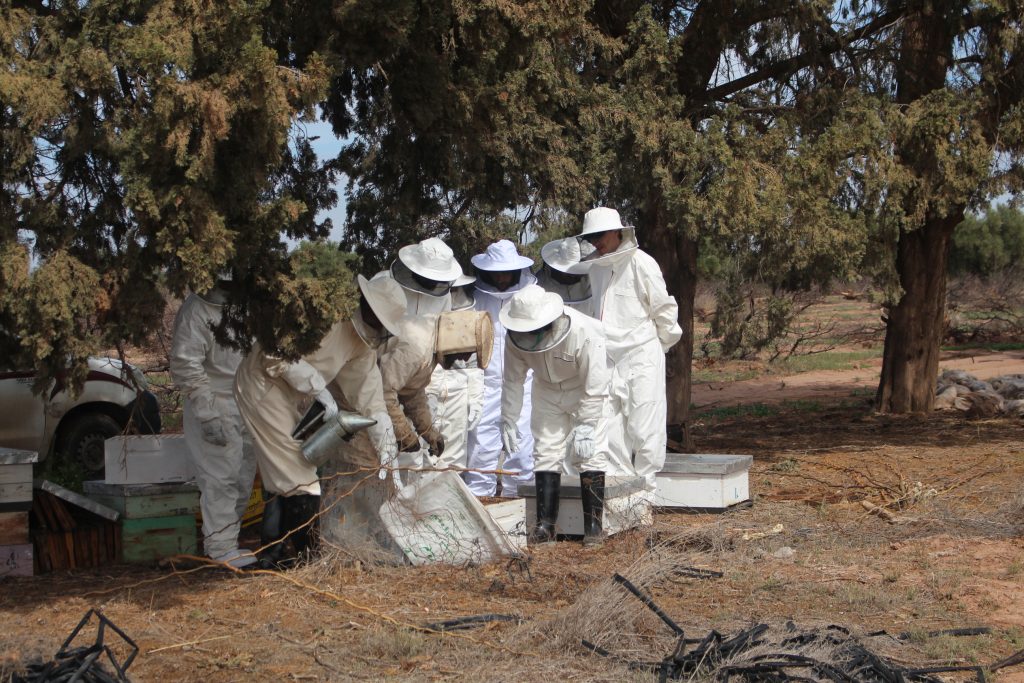
“A Routine Hive Inspection”
tizi-honey-ighil
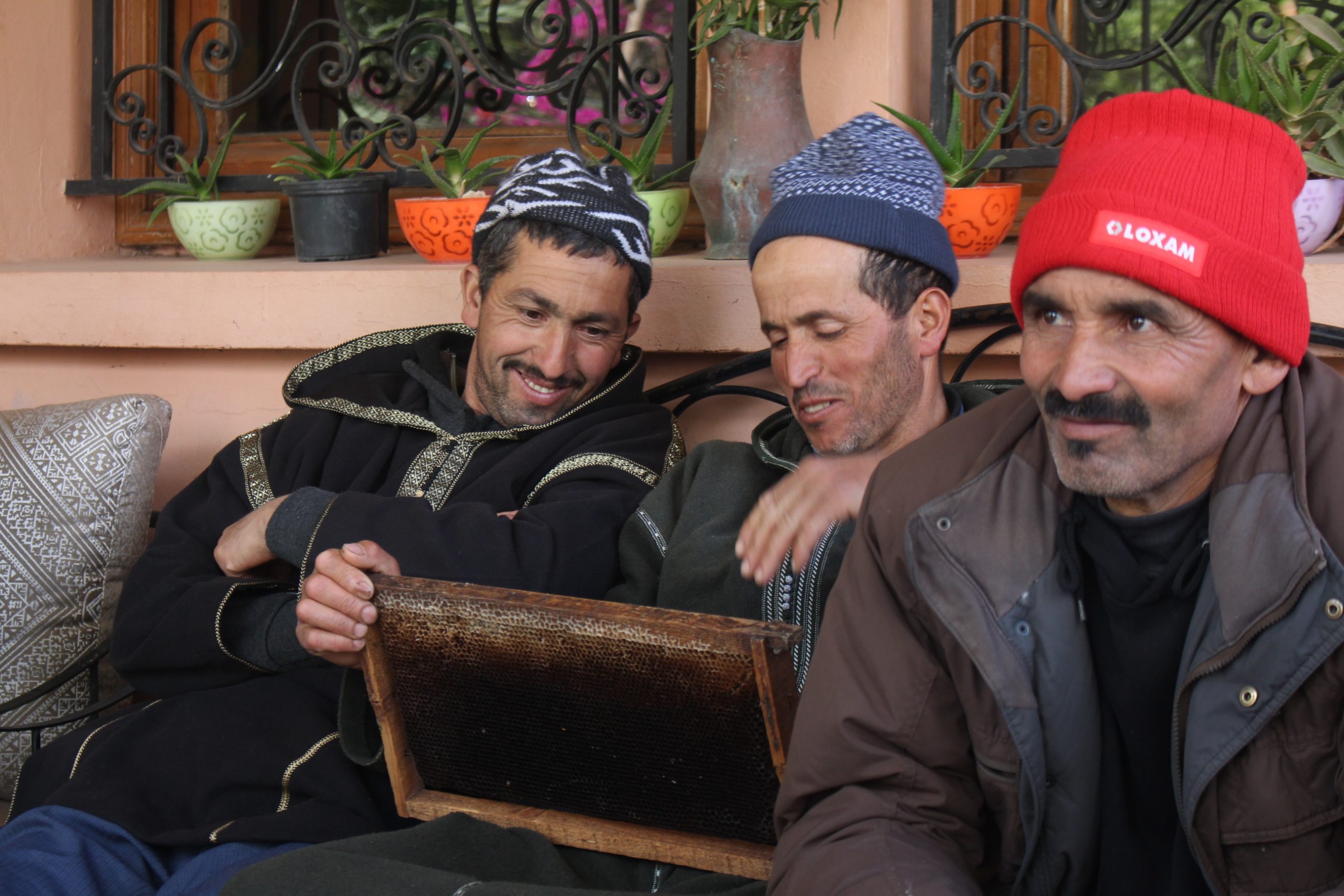
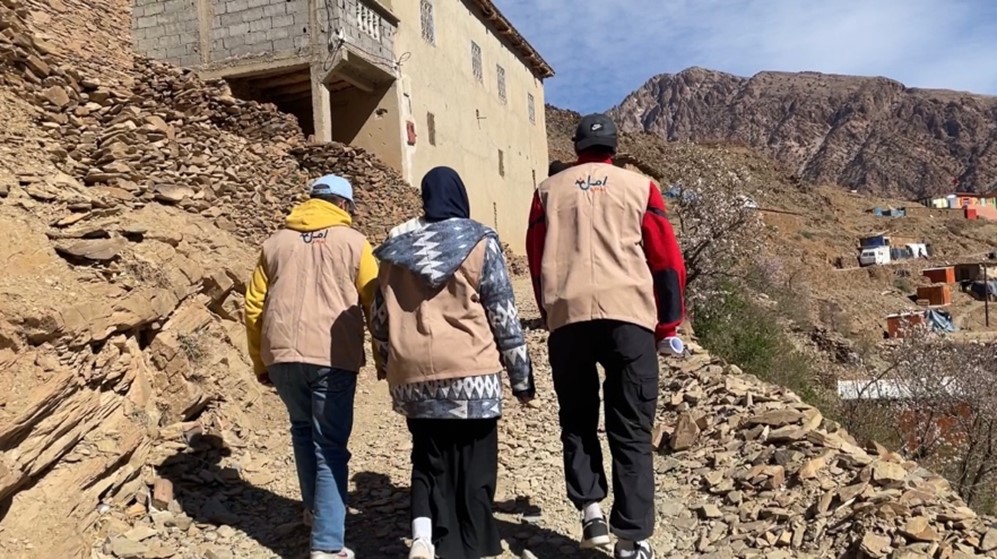
“Families on the Ground: A Day in the Field”

Choosing the Right Families

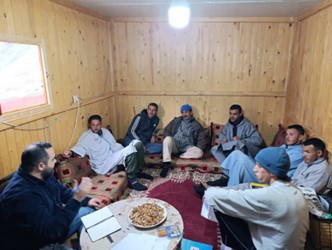
Before a single hive arrived, Amal’s team spent weeks in the field — visiting households, sitting with families, and asking hard questions about what they had lost and what they were ready to rebuild. Structured interviews helped assess living conditions, earthquake damage, and each family’s genuine readiness to take on beekeeping as a livelihood.

The selection process leaned on a clear, fair formula that weighed socio-economic need against vulnerability. Out of everyone considered, six families — more than 30 people in total — were chosen. Every one of them came from a marginalized, low-income background, and every one of them showed real commitment to making this work.

It wasn’t just about picking recipients for aid. It was about identifying people ready to become the architects of their own recovery.

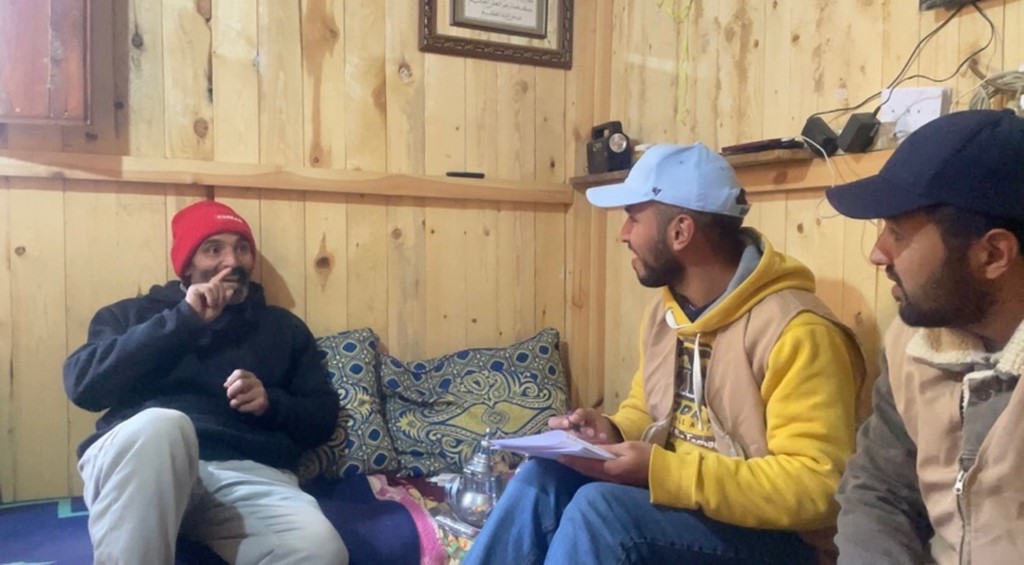
“Interviewing a beneficiary”
“Amal’s agents conductin visits”

Building the Foundation

With families selected, the project moved into procurement: 60 beehives complete with bee colonies, plus everything needed for serious, modern beekeeping — Langstroth hives, full protective suits, gloves, hats, smokers, feeders, extractors, and more.

From there began an intensive, hands-on training phase. A professional apiculture specialist spent two months in the field, visiting sites daily — critical timing, since spring is when bee colonies go through their most delicate natural changes and need constant attention. Families learned hive inspection, queen management, nutrition, sanitation, and honey production, often working side by side with the specialist late into each day.

The results spoke for themselves. As confidence and skill grew, the six families expanded their operation from 60 to 90 hives, adding extra supers to boost production even further.

Beyond the technical skills, Amal brought in IDAFA — a Moroccan solidarity-economy cooperative — to run entrepreneurship workshops covering project planning, basic marketing, teamwork, and customer relations. The goal wasn’t just to create beekeepers. It was to create small business owners who could manage, promote, and grow something of their own.

Disaster can take away a home, a livelihood, even a sense of belonging — but it can’t take away a family’s capacity to rebuild, given the right support and the chance to choose that path for themselves. The families of Ighil weren’t just recipients of aid; they became the architects of their own recovery.”

What Comes Next

Today, the project sits at roughly 75% completion, with daily field visits continuing to track colony health and hive productivity. It’s a story that’s still being written — one hive, one harvest, one family at a time.

This is the first in a series of articles following the Beekeeping Project in Ighil. Stay tuned for the story of the first honey harvest, and how the families behind it are turning survival into a sustainable business.

Leave a comment:

Your email address will not be published. Required fields are marked *